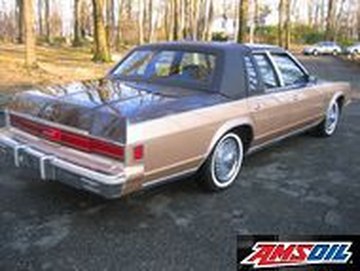
Lubrication Maintenance for the 1981 Chrysler NEW YORKER 5.2L
Maintaining a vehicle of this era requires a proactive approach to fluid management and mechanical inspection. For owners of a 1981 Chrysler NEW YORKER equipped with the 5.2L engine, consistent attention to lubrication systems is a fundamental aspect of long-term preservation. Because older engines operate under different thermal and mechanical stresses than modern counterparts, understanding how to monitor and respond to changes in fluid condition is essential for effective ownership.
Monitoring Fluid Integrity and Potential Leaks
One of the most practical ways to assess the health of an engine is through regular visual inspections. For a vehicle from 1981, checking for signs of seepage or active leaks can prevent more significant issues down the road. When performing routine checks, it is helpful to look at the areas surrounding the engine block and various sealing surfaces.
If you notice any fluid accumulation on the underside of the engine or around the oil pan area, this may indicate that a gasket or seal is beginning to lose its effectiveness. It is important to note that many symptoms, such as an oily residue on the engine exterior, can have multiple causes. Rather than assuming a specific component has failed, these observations should be treated as indicators that closer inspection of the gaskets and seals is warranted. Similarly, if you observe any changes in how much lubricant the engine seems to use between service intervals, this warrants investigation to determine the source.
Observing Changes in Lubricant Condition
The appearance and smell of your engine oil can provide useful clues regarding the internal environment of the 5.2L engine. While a certain level of darkening is expected as oil undergoes its service life, significant changes should not be ignored. For example, if the lubricant appears excessively thick or shows signs of heavy contamination, it may suggest that the service interval has been exceeded or that there is an issue with the crankcase ventilation system.
If you notice any unusual mechanical noises during startup or while the engine is idling, this can sometimes be associated with changes in lubrication quality. However, because mechanical sounds are complex and can stem from various sources, they should always be investigated by a professional to ensure an accurate diagnosis. Keeping a close eye on the color, texture, and odor of the oil during every check provides a baseline that helps you identify when something is deviating from the norm.
Prioritizing Maintenance Based on Current Condition
As vehicles age, owners often struggle with deciding whether to follow a strict chronological schedule or to react to the actual state of the machine. For the 1981 Chrysler NEW YORKER, the most effective strategy is often to prioritize maintenance based on the current condition of the vehicle rather than relying solely on its age. This means looking at the evidence provided by your own inspections and service records.
If you are working with a vehicle that has an incomplete service history, your first priority should be establishing a maintenance baseline. This involves performing a thorough inspection of all fluids, checking for any active leaks, and verifying the condition of age-sensitive components. Once you have a clear picture of the current state of the engine, you can distinguish between necessary repairs and preventive measures. Addressing active seepage or unusual consumption patterns first allows you to stabilize the vehicle's condition before moving on to more routine upkeep.
Managing Aging Engine Components
Beyond the oil itself, other components that rely on proper lubrication and thermal management require attention. If equipped, accessible drive belts should be inspected for signs of deterioration such as cracking, glazing, or fraying. Similarly, if the vehicle is equipped with various hoses, checking them for softness, swelling, or leaks is a prudent part of any service routine.
Electrical connections and wiring harnesses can also show signs of age-related wear. Ensuring that connectors are clean and secure helps prevent erratic behavior in engine sensors or other electrical systems. By combining these visual checks with regular fluid monitoring, you create a comprehensive oversight system that respects the mechanical realities of a 1980s-era vehicle.
The Role of Consistent Lubrication Service
Regularly changing the engine oil is not just about replacing old fluid; it is about removing the accumulated byproducts of combustion and thermal stress. Over time, even high-quality lubricants can lose their ability to manage heat effectively or resist oxidation. Maintaining a fresh supply of lubricant helps ensure that internal components remain protected against friction and that deposits do not build up in critical areas.
For an engine like the 5.2L, which has been a staple of Chrysler's lineup, maintaining clean lubrication is a key factor in managing the overall health of the engine. While modern additives can help with deposit control and seal conditioning, the most important factor remains the frequency and consistency of your service routine. Following the appropriate maintenance schedule for the vehicle ensures that the lubricant is replaced before its protective properties are significantly compromised.
Practical Advice for BUYING ENGINE OIL for a 1981 Chrysler NEW YORKER 5.2L
When it is time to replenish your engine's lubrication, the most important step is to match the product to the specific requirements of your application. Because different engines and operating environments have unique needs, you should not rely on general assumptions about what an older vehicle requires.
To ensure you are selecting the correct product, always refer to the vehicle-specific oil viscosity and application information already displayed on this webpage. Before making a purchase, carefully check the product labels to confirm that the oil meets the necessary standards for your engine. You may encounter various options, including conventional oils, synthetic blends, or full synthetic formulations. Some high-mileage oil formulations also contain additives intended for use in aging engines, which may be worth considering if you are managing an older vehicle with higher mileage. Ultimately, your goal is to select a lubricant that aligns precisely with the technical specifications provided for this 1981 Chrysler NEW YORKER 5.2L.